The Silent Impact: Understanding How Hearing Loss Affects All Age Groups
Hearing loss is often perceived as a condition that primarily affects the elderly. However, the reality is far more complex. It’s a misconception to think that only older adults grapple with hearing impairments. In fact, hearing loss can impact individuals across all age groups, from infants to the elderly. Understanding the diverse ways in which hearing loss manifests itself at different stages of life is crucial for raising awareness and promoting early intervention. Let’s delve into the unique challenges each age group faces:
Infants and Children:
Hearing loss in infants can have profound implications for their development. Early detection through newborn hearing screenings is essential for ensuring timely intervention. Undiagnosed hearing loss can lead to delays in speech and language acquisition, social isolation, and academic struggles. Children with hearing impairments may require specialized educational support and access to assistive technologies like hearing aids or cochlear implants to thrive in academic and social settings.
Teenagers and Young Adults:
In the age of earbuds and loud concerts, teenagers and young adults are increasingly at risk of noise-induced hearing loss. Prolonged exposure to loud noises can damage the delicate structures of the inner ear, leading to irreversible hearing loss. Moreover, the rise of recreational activities like listening to music at high volumes or attending noisy events without adequate hearing protection contributes to the prevalence of hearing loss in this demographic. Education about the importance of hearing conservation and the use of hearing protection devices is crucial for preventing hearing loss in young people.
Adults:
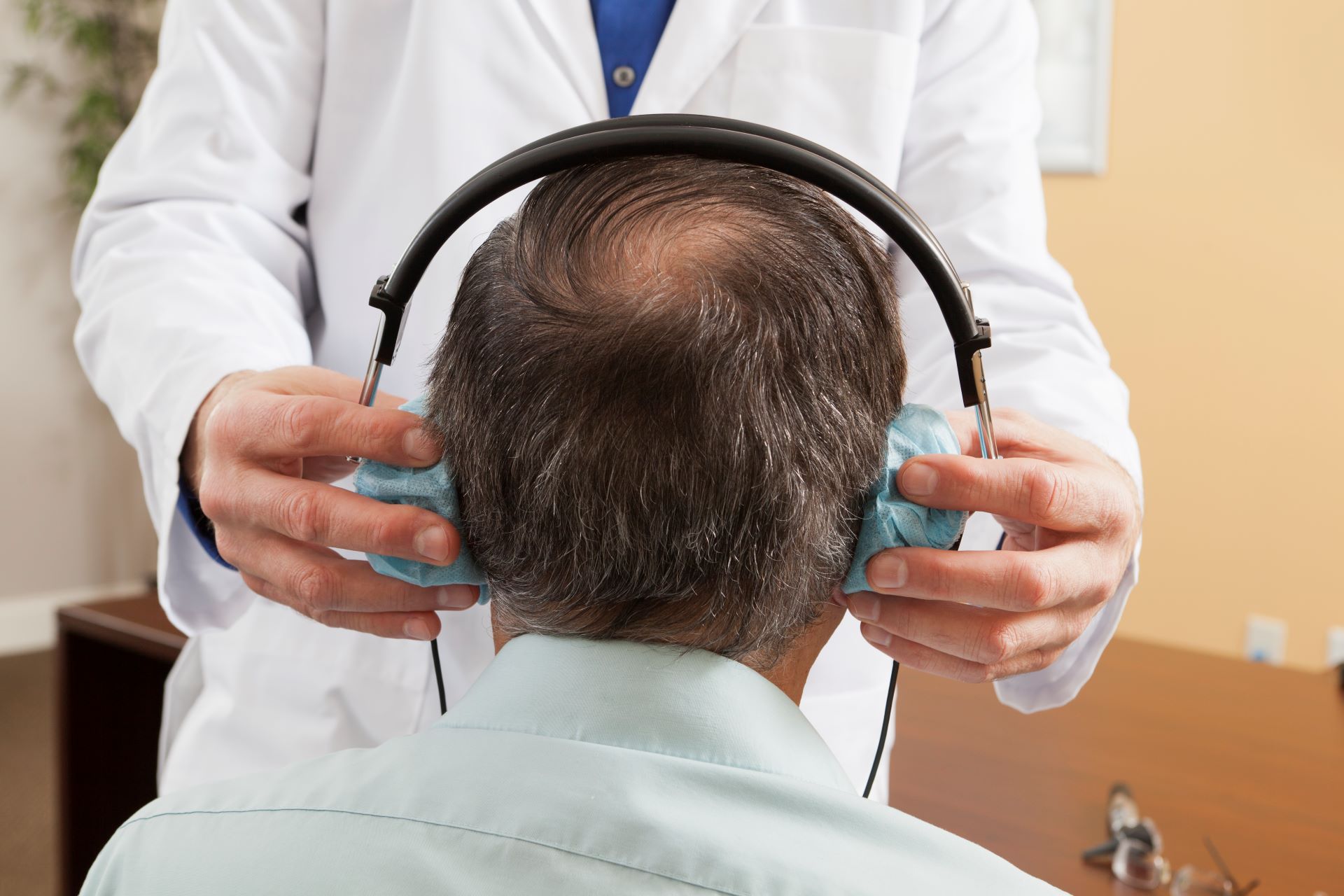
Hearing loss in adults can result from various factors, including aging, genetic predisposition, occupational noise exposure, and medical conditions such as otosclerosis or Meniere’s disease. Untreated hearing loss can have far-reaching consequences, impacting communication, relationships, and overall quality of life. Adults may experience difficulties in professional settings, social gatherings, and even simple everyday activities like talking on the phone or watching television. Addressing hearing loss early through hearing aids, assistive listening devices, or other interventions can significantly improve outcomes and prevent further deterioration.
Elderly:
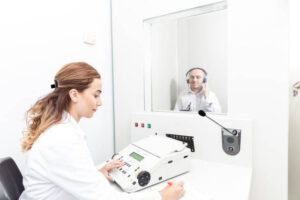
As individuals age, the prevalence of hearing loss increases significantly. Presbycusis, or age-related hearing loss, affects a large proportion of older adults. The cumulative effects of noise exposure, genetic factors, and age-related changes in the auditory system contribute to this phenomenon. Hearing loss in the elderly is associated with an increased risk of cognitive decline, social isolation, depression, and falls. Regular hearing screenings, along with appropriate interventions such as hearing aids and auditory rehabilitation, are essential for maintaining cognitive function and overall well-being in older adults.
Conclusion
Hearing loss is not confined to any particular age group—it can impact individuals across the lifespan, from infancy to old age. By raising awareness about the diverse causes and consequences of hearing loss at different stages of life, we can empower individuals to take proactive steps to protect their hearing health. Early detection, intervention, and ongoing management are key to minimizing the impact of hearing loss and ensuring a better quality of life for people of all ages.