Hearing aids are invaluable devices that help millions of people worldwide stay connected to the sounds of life. To ensure they continue to perform at their best, regular cleaning and maintenance are essential. Here’s a comprehensive guide to keeping your hearing aids in top condition:
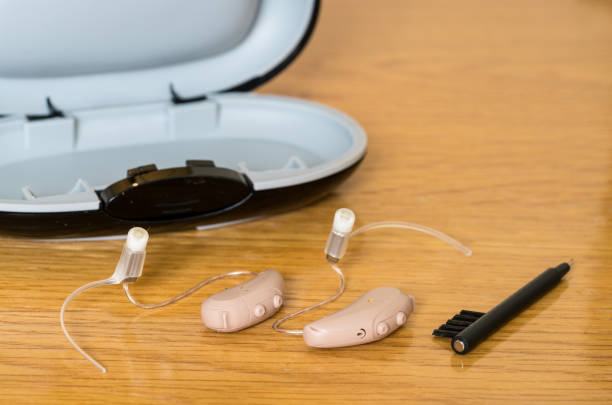
1. Daily Cleaning Routine: – Use a soft, dry cloth to gently wipe down the exterior of your hearing aids to remove any dust, dirt, or earwax. – Pay special attention to the microphone and receiver openings, as these areas are prone to debris buildup. 2. Weekly Deep Cleaning: – Use a cleaning brush or pick provided by your audiologist to gently remove any wax or debris from the sound ports and vents. – Inspect the tubing for any signs of damage or blockage and replace if necessary. 3. Protecting Against Moisture: – Moisture is the enemy of hearing aids, so always remove them before showering, swimming, or engaging in water activities. – Store hearing aid in a drying kit to remove excess moisture overnight, prolonging the lifespan of your device. 4. Avoiding Exposure to Extreme Conditions: – Keep your hearing aids away from direct sunlight, heat sources, and extreme cold, as these can damage delicate components. – Store them in a protective case when not in use, especially during travel or outdoor activities. 5. Regular Professional Check-Ups: – Schedule routine appointments with your audiologist for thorough cleaning, maintenance, and adjustments. – They can also inspect your hearing aids for any signs of wear and tear and recommend repairs or replacements as needed. 6. Handle with Care: – Always handle your hearing aids with clean, dry hands to prevent transferring oils, dirt, or moisture. – Avoid dropping or knocking your devices, as this can cause internal damage.
By following these simple cleaning and maintenance tips, you can ensure your hearing aids provide you with clear, crisp sound for years to come. Remember, a little care goes a long way in preserving the life and performance of your invaluable hearing devices.